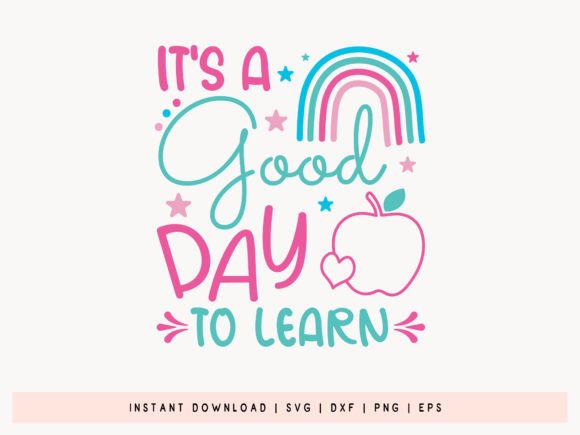
It’s a Good Day to Learn SVG and Explore Our Back To School SVG Design
As the back-to-school season approaches, now is the perfect time to explore new creative tools that can elevate your projects and bring fresh energy to your brand or personal work. One such tool is SVG, a powerful vector graphic format that offers flexibility, scalability, and compatibility across multiple platforms. In this article, we’ll dive into why It’s a Good Day to Learn SVG is more than just a catchy phrase—it’s a strategic opportunity to enhance your creative workflow and expand your design capabilities.
The Strategic Value of Learning SVG
SVG stands for Scalable Vector Graphics, and it has become an essential format for designers, entrepreneurs, and creators alike. Unlike raster images like JPEGs or PNGs, SVG files are resolution-independent, meaning they maintain clarity at any size. This makes them ideal for use in digital marketing, print-on-demand products, and branding materials.
When you learn SVG, you’re not just acquiring a technical skill—you’re unlocking a range of strategic advantages. For instance, understanding how to manipulate SVG files allows you to create custom designs that can be easily adapted for different applications. Whether you're designing logos, illustrations, or templates for your products, SVG provides the versatility needed to meet diverse project requirements.
Moreover, learning SVG can significantly improve your ability to plan and execute creative projects with greater precision. By mastering the basics of SVG syntax and structure, you gain control over every element of your design, from shapes and colors to animations and interactivity. This level of control is particularly valuable when working on complex projects that require attention to detail and consistency.
Why It’s a Good Day to Learn SVG Matters for Your Projects
It’s a Good Day to Learn SVG isn’t just a motivational slogan—it’s a call to action for anyone looking to streamline their creative process and boost productivity. The back-to-school season is an excellent time to invest in new skills because it often coincides with increased demand for educational and seasonal-themed products. Whether you're running a small business, managing a creative team, or working on personal projects, leveraging SVG can help you meet these demands more efficiently.
For example, if you're a small business owner selling custom-printed items like t-shirts, mugs, or tote bags, having access to high-quality SVG files means you can quickly adapt your designs to fit various product formats. This not only saves time but also ensures that your branding remains consistent across all touchpoints. Additionally, SVG files are compatible with major cutting machines like Cricut, Silhouette Cameo, and ScanNCut, making them a practical choice for those who rely on digital fabrication tools.
Another key benefit of SVG is its ability to support long-term planning and growth. By creating reusable SVG assets, you can build a library of designs that can be repurposed for future projects. This reduces the need for constant redesigning and helps you stay ahead of market trends. It also allows for easier updates and modifications, which is crucial in a fast-paced industry where consumer preferences change rapidly.
How to Approach It’s a Good Day to Learn SVG Strategically
Before diving into SVG, it's important to approach it with a clear strategy in mind. Here are some practical tips to help you get started:
- Define Your Goals: Determine what you hope to achieve by learning SVG. Are you looking to improve your design skills? Boost your product offerings? Or increase your efficiency in the creative process?
- Choose the Right Tools: Invest in reliable software that supports SVG editing, such as Adobe Illustrator, Inkscape, or online SVG editors. These tools will help you create, modify, and export SVG files with ease.
- Start with Simple Projects: Begin by experimenting with basic SVG elements like shapes, lines, and text. As you gain confidence, gradually move on to more complex designs.
- Explore File Formats: Understand the differences between SVG, DXF, PNG, and EPS formats to ensure you’re using the right file type for your specific needs. For example, SVG is best for digital use, while EPS is often preferred for print.
- Plan for Scalability: Think about how your SVG designs can be scaled up or down without losing quality. This is especially important when creating designs for different product sizes or screen resolutions.
By following these steps, you can ensure that your learning journey with SVG is both intentional and effective. This approach not only helps you avoid common pitfalls but also positions you to make better decisions as you grow your creative capabilities.
Real-World Use Cases for It’s a Good Day to Learn SVG
Let’s look at some real-world examples of how It’s a Good Day to Learn SVG can be applied in different scenarios:
1. Educational Products
If you're an educator or a creator focused on educational content, SVG can be a game-changer. You can design interactive learning materials, infographics, and visual aids that are both engaging and easy to customize. For instance, a teacher might use SVG to create a set of colorful, printable flashcards that students can use at home or in the classroom.
2. Branding and Marketing
SVG is an excellent choice for branding and marketing campaigns. With its scalability and adaptability, you can create logos, icons, and promotional graphics that work seamlessly across different platforms. This is particularly useful for businesses that need to maintain a consistent visual identity across social media, websites, and physical products.
3. E-commerce and Print-on-Demand
For entrepreneurs and small business owners, SVG is a powerful asset in the world of e-commerce and print-on-demand. You can create unique designs that can be printed on a variety of products, from apparel to accessories. This not only expands your product offerings but also increases your potential customer base.
Risks of Using SVG Without Clear Goals
While SVG offers numerous benefits, it’s important to recognize the risks of using it without a clear strategy. One of the biggest risks is wasting time and resources on designs that don’t align with your overall goals. Without a well-defined plan, you may end up creating assets that are difficult to integrate into your existing workflow or that fail to deliver the desired results.
Additionally, relying on SVG without proper planning can lead to inconsistencies in your branding and design efforts. If you don’t have a system in place to manage and organize your SVG files, you may find yourself struggling with version control, file management, and scalability issues.
To avoid these risks, it’s essential to approach SVG with intention. Set clear objectives, develop a structured plan, and continuously evaluate the effectiveness of your designs. This way, you can ensure that your use of SVG is both strategic and impactful.
Conclusion: Making the Most of It’s a Good Day to Learn SVG
Now that you understand the strategic value of It’s a Good Day to Learn SVG, it’s time to take action. Whether you're an entrepreneur, designer, or hobbyist, investing in SVG can open up new opportunities and help you achieve better results. By approaching SVG with a clear plan and a focus on long-term value, you can unlock its full potential and elevate your creative work to new heights.
Remember, the key to success lies in intentionality. Don’t just learn SVG for the sake of learning—it should serve a purpose in your workflow, whether that’s improving your design skills, expanding your product offerings, or enhancing your brand presence. With the right mindset and strategy, It’s a Good Day to Learn SVG can be a turning point in your creative journey.